A New Era for Ancient Egypt: The Grand Egyptian Museum Opens as the World’s Largest Archaeological Landmark
The Grand Egyptian Museum (GEM) opens near the Giza Pyramids as the world’s largest archaeological museum, uniting ancient Egyptian heritage with modern architecture and innovation.
 Kairo
Kairo
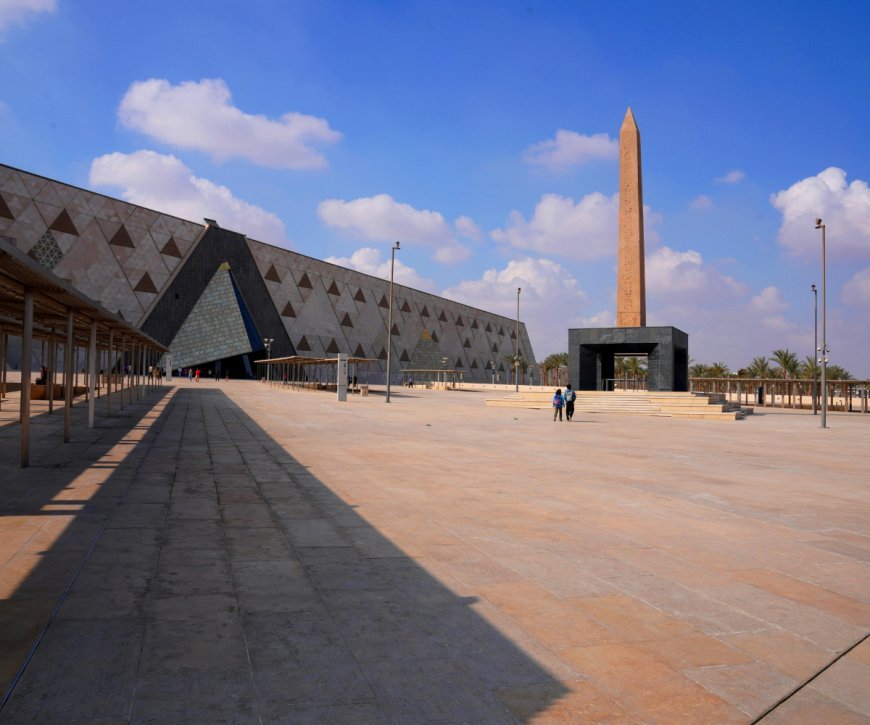
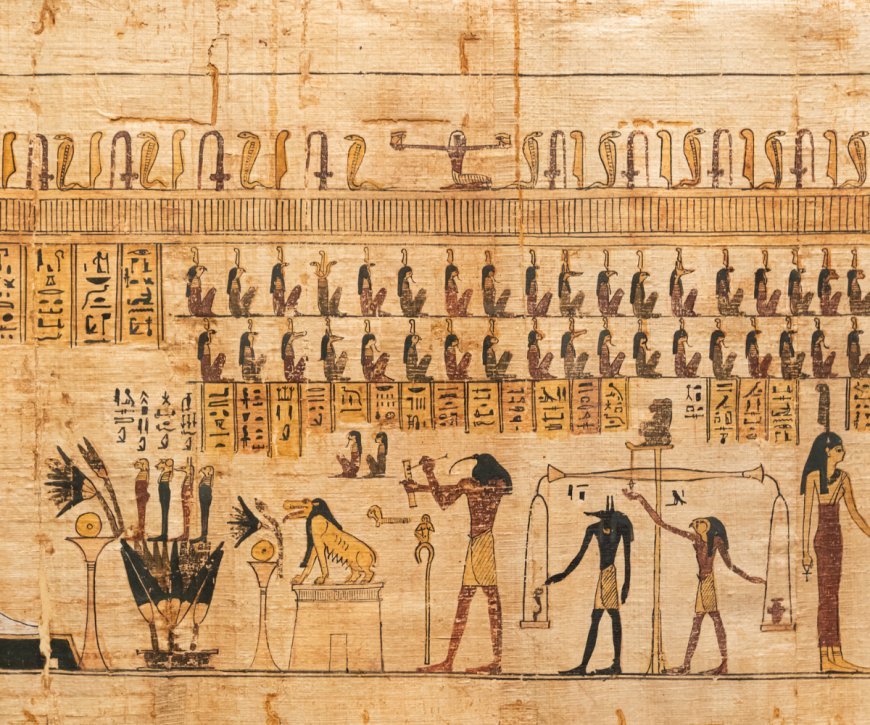
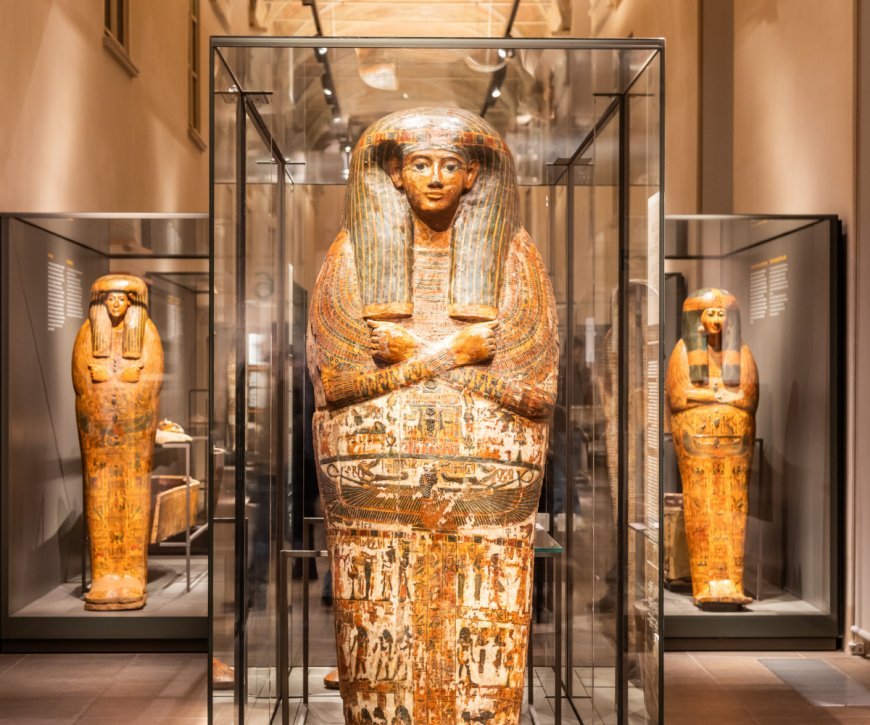
The inauguration of the Grand Egyptian Museum (GEM) marks a historic moment not only for Egypt, but for global culture and heritage. Rising on the Giza Plateau with a direct visual connection to the eternal pyramids, the museum represents an extraordinary dialogue between the grandeur of ancient civilization and the innovation of modern architecture.
Designed as a cultural gateway to Egypt’s past, GEM is far more than a museum. It is an immersive experience that brings together architecture, technology, education, and conservation on an unprecedented scale.
Architecture Inspired by the Pyramids
The architectural concept of the Grand Egyptian Museum draws its inspiration directly from the three pyramids of Giza. Its iconic triangular façade, composed of overlapping geometric forms, mirrors the precise proportions and alignment of the pyramids, symbolizing continuity between ancient Egyptian ingenuity and contemporary architectural vision.
The design was selected through an international competition announced in 2002 under the patronage of UNESCO and the International Union of Architects. The winning proposal, submitted by Heneghan Peng Architects of Ireland, was based on the idea that imaginary rays of sunlight extending from the pyramid peaks converge to form the conceptual mass of the museum.
Inside, visitors move through carefully organized pathways supported by advanced technologies such as digital interpretation, interactive displays, and augmented reality. These elements enhance storytelling while ensuring optimal conditions for the preservation of priceless artifacts.
From Vision to Reality
The idea of establishing the Grand Egyptian Museum dates back to the early 1990s, driven by the need for a world-class institution capable of housing Egypt’s vast archaeological wealth. The foundation stone was laid in 2002, and construction officially began in May 2005.
In 2006, the largest archaeological restoration center in the Middle East was inaugurated on-site. This facility plays a crucial role in the restoration, conservation, and scientific study of artifacts destined for exhibition, reinforcing GEM’s position as both a museum and a global research hub.
A Museum Without Precedent
Spanning an area of approximately 490,000 square meters, GEM is among the largest museums in the world. It houses more than 57,000 artifacts, narrating the history of Egypt from 700,000 BC to 394 AD, from prehistoric times through the Pharaonic, Greco-Roman, and late antiquity periods.
At the heart of the museum are the Treasures of King Tutankhamun, displayed together in full for the first time since the discovery of his tomb in 1922. The collection includes more than 5,000 objects, offering an unparalleled insight into the life, beliefs, and artistry of the New Kingdom.
Other highlights include the collection of Queen Hetepheres, mother of King Khufu, builder of the Great Pyramid, as well as the King Khufu Solar Boat Museum, alongside artifacts from every major era of ancient Egyptian history.
Monumental Features That Define the Experience
-
The Main Entrance: Covering around 7,000 square meters, it is dominated by the colossal statue of King Ramses II, carved from pink granite. Standing 11.3 meters tall and weighing 83 tons, the statue sets a powerful tone for the visitor’s journey.
-
The Hanging Obelisk: A 110-ton pink granite obelisk of Ramses II, uniquely displayed to allow visitors, for the first time, to view the royal cartouche carved beneath it.
-
The Grand Staircase: Rising across six floors and lined with monumental statues of Egyptian kings, offering a dramatic visual narrative of royal power and continuity.
-
Tutankhamun Galleries: Spanning 7,500 square meters, showcasing the king’s treasures in a comprehensive and immersive display.
-
Exhibition Halls: Twelve permanent galleries covering 18,000 square meters, complemented by 1,700 square meters of temporary exhibition space.
Beyond exhibitions, the museum includes a Children’s Museum, an educational center, a conference and cinema complex, retail areas, restaurants, cafés, and landscaped gardens—positioning GEM as a cultural and social destination in its own right.
Cultural Mission and Global Impact
The objectives of the Grand Egyptian Museum extend well beyond display. GEM is dedicated to digital documentation, conservation, research, and public education. It also serves as a platform for international exhibitions, academic conferences, and cultural dialogue, while promoting awareness among younger generations and reviving traditional Egyptian crafts through high-quality replicas.
With an expected annual attendance of around five million visitors, GEM is poised to become one of the world’s most visited cultural institutions.
International Recognition and Awards
The global importance of the Grand Egyptian Museum has already been confirmed through a series of prestigious awards:
-
FIDIC Best Project Award 2024, recognizing excellence in engineering and innovation.
-
Prix Versailles 2024, naming GEM among the most beautiful museums in the world.
-
EDGE Advanced Green Building Certification, making it the first green museum in Africa and the Middle East.
-
Eight ISO certifications covering energy management, environmental standards, occupational health and safety, and quality systems.
These achievements underline GEM’s leadership in sustainability, innovation, and responsible cultural stewardship.
A Global Cultural Beacon
The opening of the Grand Egyptian Museum signals the beginning of a new chapter in how humanity engages with one of the world’s oldest civilizations. Standing at the crossroads of past and future, GEM is not only a guardian of ancient heritage but also a global symbol of Egypt’s enduring cultural influence and modern ambition.